

What Different Types of Gold Exist?
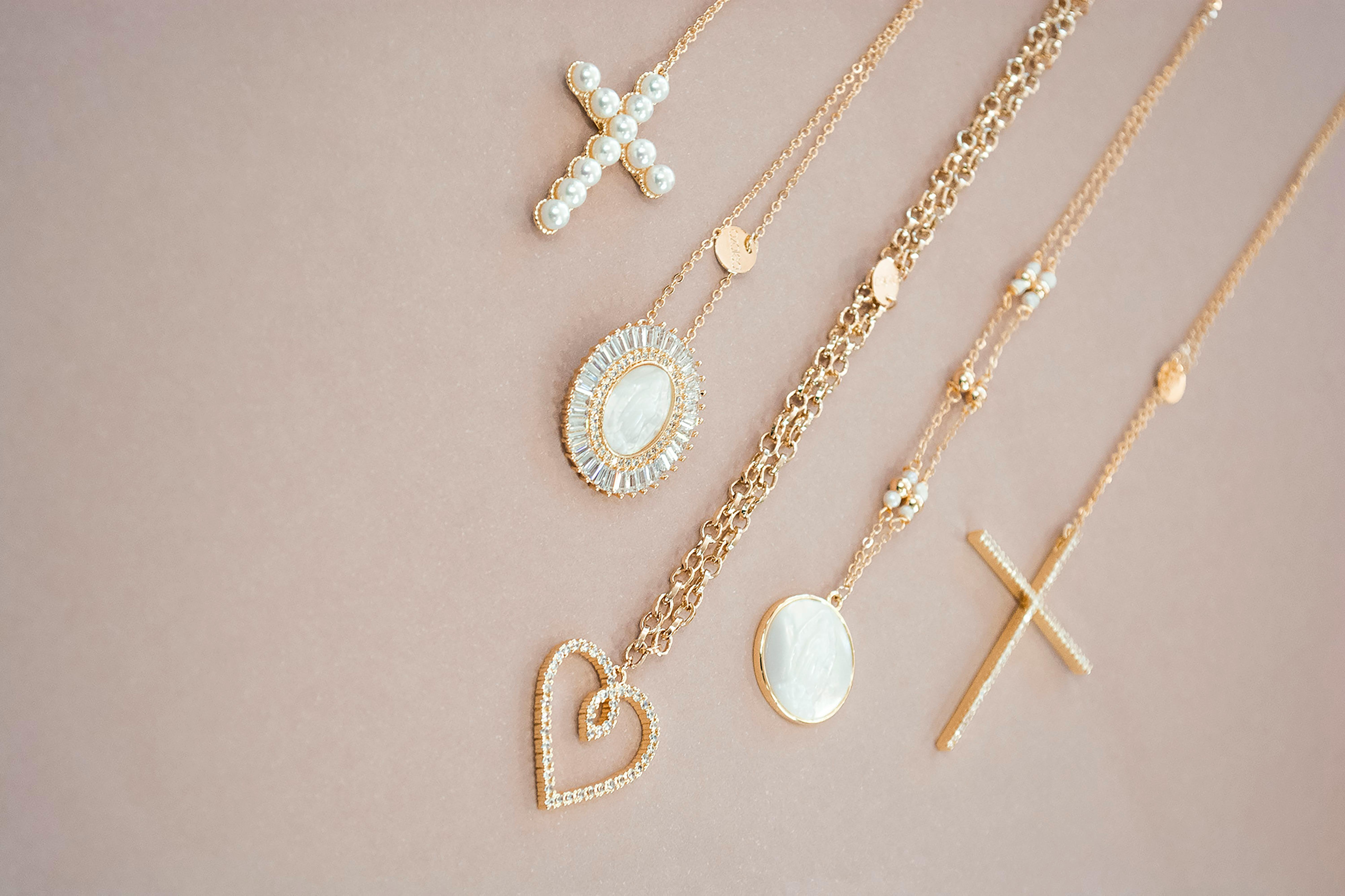
Rich Yellow Shimmer
Yellow gold is created by alloying pure gold with silver, copper, and a touch of zinc.
- The mix produces the classic warm hue you picture when you think of gold.
- It’s gentle on sensitive skin and requires little maintenance.
Pale Silver Treasure
White gold combines gold with platinum or, more commonly, palladium, nickel, and zinc.
- The result is a silvery‑white appearance that mimics platinum at a lower price.
- It resists everyday scratches better than yellow gold.
Warm Pink Alloy
Rose gold is an alloy of gold, copper, and silver.
- Copper gives the metal its rosy tint and keeps the cost down, often making rose gold the most affordable option.
- Its warm hue is popular for both everyday wear and investment pieces.
Measuring Gold with Karats
- Karat indicates the proportion of pure gold in an alloy.
- 24 k = 100 % pure gold.
- Lower karats (e.g., 10 k, 14 k) contain less gold, making the piece cheaper and harder.
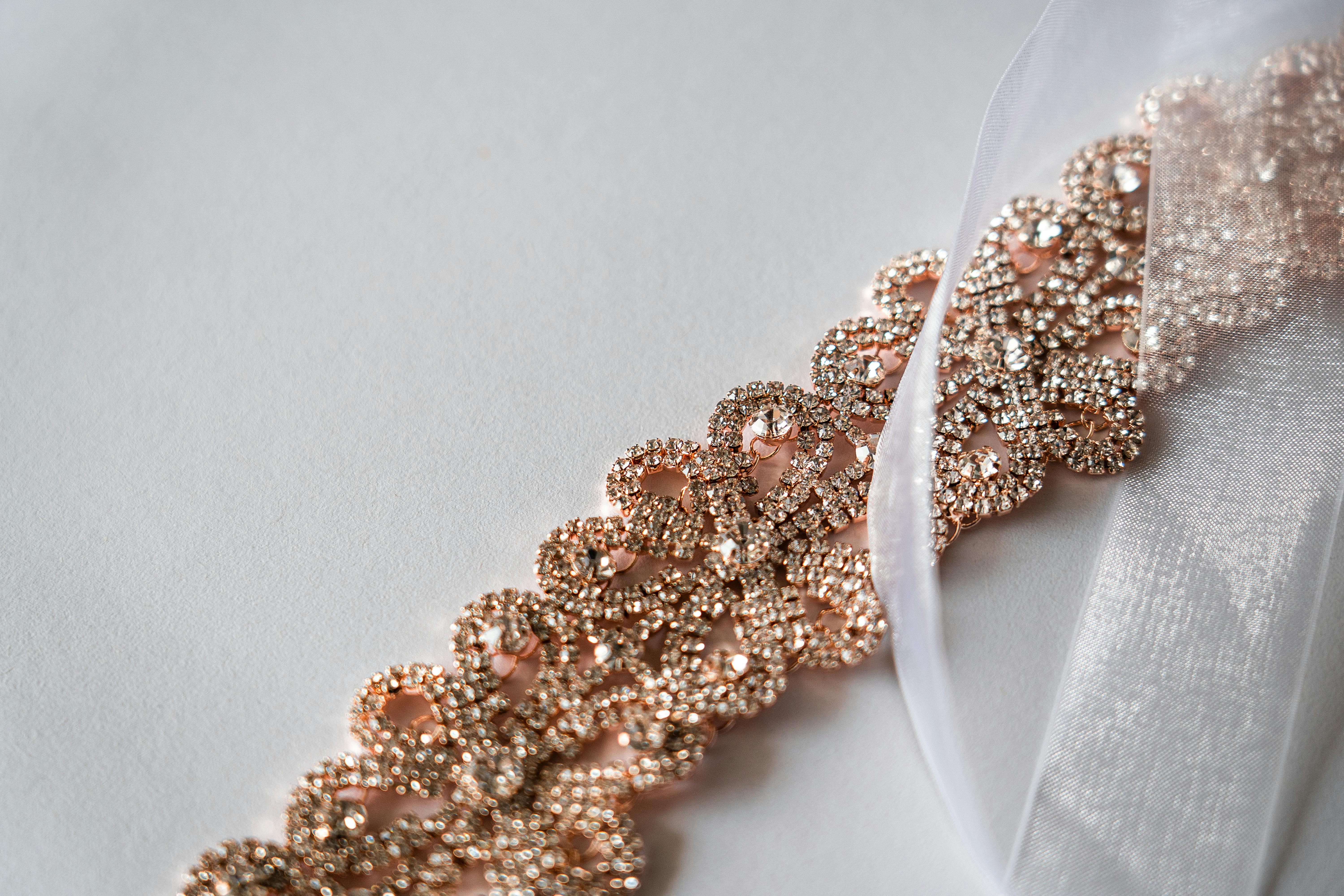
Tip: Knowing the karat helps you evaluate value when buying or selling.
Want to Trade Gold?
Pawn America operates 16 stores across Minnesota and Wisconsin.
Visit a location to sell, buy, or appraise your gold jewelry.
Rich yellow shimmer
Yellow gold results when artisans mix pure gold together with silver, copper, plus a touch of zinc, creating the familiar warm hue. You’ll recognize the truest hue the moment you imagine gold in your mind. If you wear yellow gold, you will find it gentle on sensitive skin and surprisingly low maintenance.
Pale silver treasure
White gold combines pure gold with platinum, though some mixes use palladium, nickel and zinc instead. You’ll notice that white gold tends to appear a touch more silver than yellow gold. The two biggest perks of white gold are its lower price point and its resistance to everyday scratches.
Warm pink alloy
Combine gold, copper, and silver, and you’ll get rose gold. Copper’s low price is why rose gold usually turns out to be the cheapest of the three gold varieties mentioned. The affordable cost means that whether you purchase or flip rose gold jewelry, the return shows up down the road.
Measure gold with karats
Karats tell you how much pure gold the piece actually contains. Anything labeled 24 karat means you’re looking at 100 percent gold. Heading to the lower end of the spectrum means the gold in the piece drops significantly. Pieces made from 10K or 14K hold less gold, which usually makes them cheaper. Anything that isn’t pure gold in a piece ends up being a metallic alloy. The presence of alloys makes gold solidify, adopting the specific shape and size required.
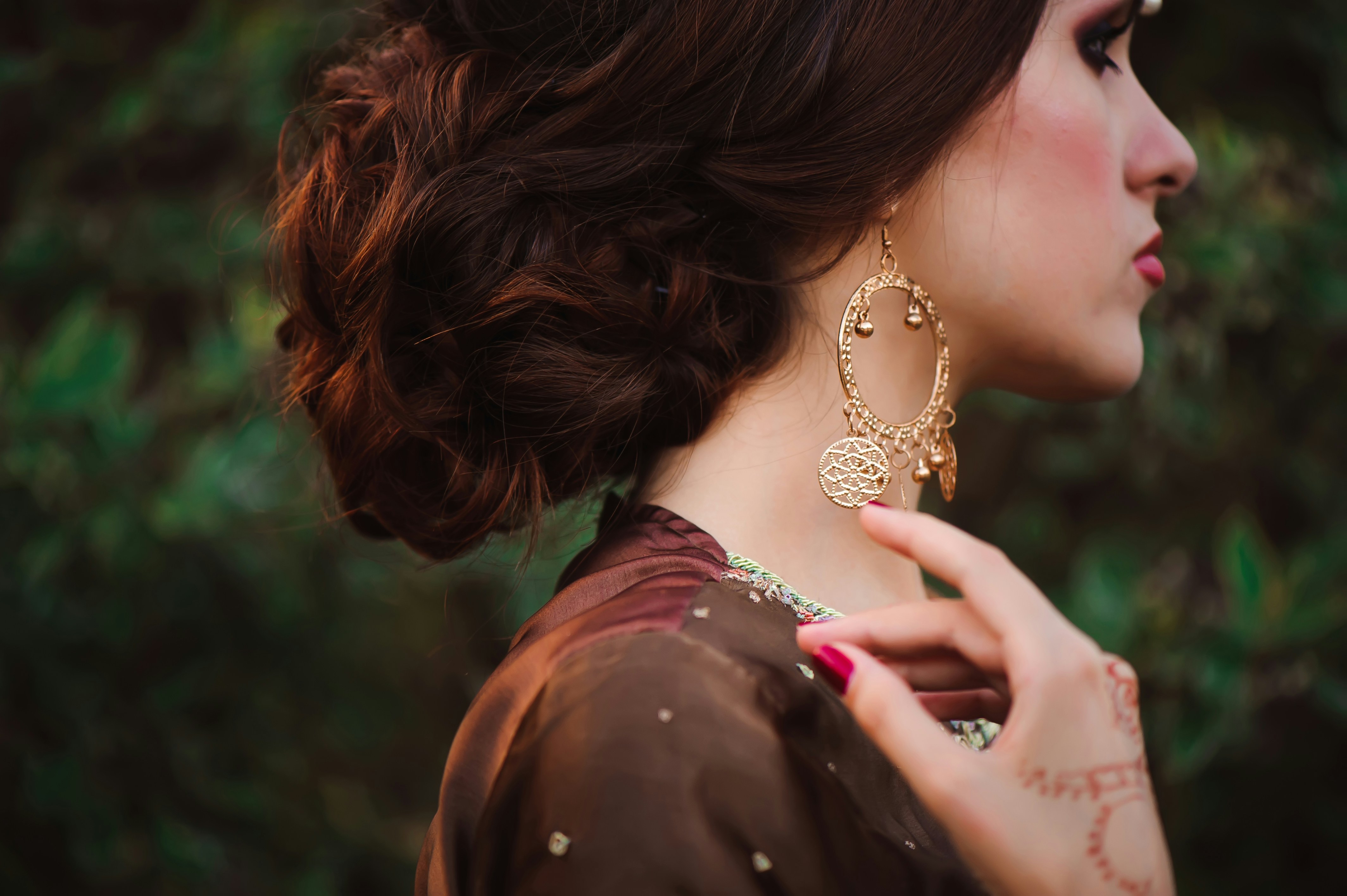
Having learned how alloying alters gold’s shade and what a karat actually measures, you’re better equipped to make solid decisions about selling or purchasing gold in the future. Want to trade gold jewelry with Pawn America? Come on down to one of the 16 stores we have scattered throughout Minnesota and Wisconsin.