

Pawn Shop FAQs | Pawn America
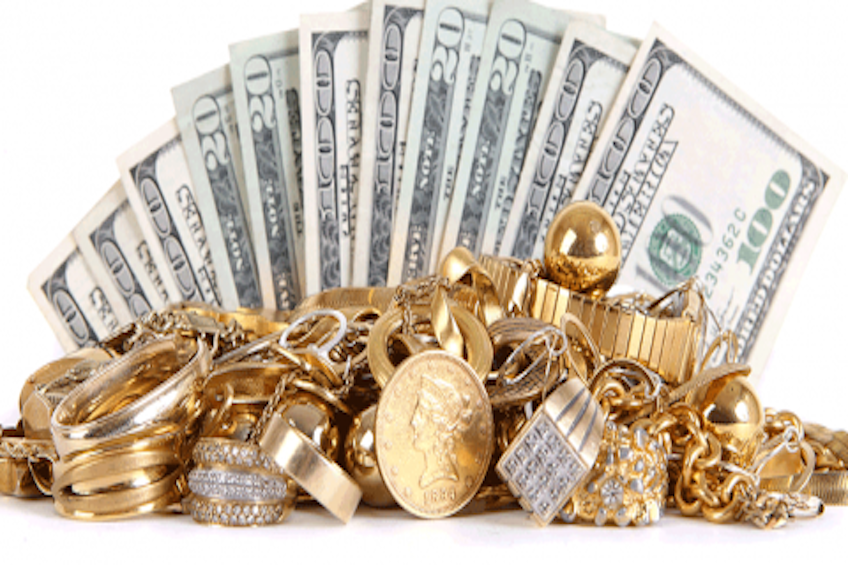
Pawn shop FAQs come up fast the moment you think about walking through those doors. Maybe you need cash today, or you spotted a really good deal in the window. You want to know if the process is legitimate and safe.
You want straight answers instead of sales talk. This guide walks through the most common Pawn shop FAQs in clear language. You will know exactly what to expect before you ever show up.
You will see how pawn loans really work and what items you can sell. We also explain how much money you might get for your goods. Finally, you will learn how to keep your stuff safe throughout the process.
What a Pawn Shop Actually Does
At the most basic level, a pawn shop does three things. First, it gives short-term loans using your items as collateral. This is helpful for people who need quick funds without a credit check.
Second, it buys items outright for cash. This serves people who want to declutter or liquidate assets instantly. Third, it sells used merchandise at big discounts.
Shops like Pawn America do all three every single day. This creates a wide mix of inventory that changes constantly. You will see everything from gold chains and engagement rings to game consoles and lawn tools.
That inventory mix depends entirely on what people bring in that week. A pawn store is part bank and part secondhand shop. It is also part treasure hunt for smart shoppers.
You can walk in with nothing but your phone to get a loan. You can also walk out with cash in hand. Alternatively, you might leave with a new gadget that costs way less than retail.
Why People Shop at Pawn Stores
If you have never stepped inside a pawn store, you might assume it is only for people in a bind. That picture is out of date. Shoppers go to pawn shops because they like saving money.
They find deals that big box stores just cannot match. Many items sell for around half of normal retail prices. Sometimes the prices are even lower depending on the condition.
The National Pawnbrokers Association has shared that most pawn customers are working people. They use shops for small-dollar credit and good bargains. It is simple and fast compared with banks or credit cards.
You also get real variety on the shelves. One visit might turn up an older guitar with great sound. Another day you might find a current model laptop.
You might even spot a designer watch that looks barely used. The stock rotates constantly. This keeps customers coming back to see what is new.
What You Can Buy And Sell At A Pawn Shop
One of the most common Pawn shop FAQs is about what a store will actually take. The short answer is that they take way more than just gold. The longer answer is that it depends on demand and condition.
Local rules also play a part in what a shop accepts. However, most shops look for items that hold value. Here are common categories that a shop like Pawn America may buy, loan on, or resell.
| Category | Examples | Typical Requirements |
|---|---|---|
| Jewelry | Gold chains, rings, earrings, platinum bands, silver bracelets, diamond pieces, watches | Real metal, often tested on site, stones checked for authenticity |
| Electronics | Laptops, tablets, TVs, game consoles, cameras, soundbars | Good working order, no account locks, chargers or remotes help |
| Tools | Power drills, saws, compressors, yard tools | Fully working, major parts present, popular brands preferred |
| Musical gear | Guitars, amps, keyboards, DJ gear, microphones | No major damage, can be tested, cables are a plus |
| Sporting goods | Fishing gear, bicycles, fitness machines | Good condition, safe to use, no missing key parts |
| Collectibles | Coins, paper money, sports cards, some memorabilia | Authentic, with clear value or demand |
Jewelry remains a staple for most pawn businesses. Pawn America highlights jewelry, precious metals, coins, consumer electronics, collectibles, sporting equipment and similar items in their What We Buy and Selling Gold and Gems education content. That gives you a clear idea of where most value tends to sit.
High-end electronics are also very popular. Stores look for items that are less than a few years old. They want things that sell quickly to modern consumers.
Tools are another massive category for these shops. Contractors often upgrade their gear and sell older units. This is great for DIY homeowners looking for professional equipment.
How Selling To A Pawn Shop Works
Say you have a gold ring or a game console you no longer use. You can walk into a pawn shop and ask for an offer. The process is usually quick and straightforward.
You do not need an appointment in most places. You simply walk up to the counter. Here is what to expect the first time you sell.
1. Bring Your Item And Your ID
Every state has rules for pawn stores and secondhand dealers. A shop will need a valid government ID to complete any sale. This is usually a driver's license or state ID card.
This requirement helps prevent stolen goods from entering the shop. It protects both the business and honest customers. Always double-check that your ID is not expired.
Bring any accessories you still have for the item. Original boxes, chargers, manuals, and receipts can all boost what you are offered. These extras make resale much easier for the shop.
2. The Item Gets Evaluated
Staff look at three main things during the evaluation. They check condition, current demand, and resale value. They need to know if the item works perfectly.
With jewelry, a team member may test the metal. They will weigh it and inspect stones under magnification. Stores that sell a lot of jewelry, such as Pawn America, have people trained to appraise gold, silver, and diamonds, which they share about through their diamond and precious metal education guides.
With electronics, they will usually plug items in to test them. They check basic functions and ensure there are no pixels out. They also check for account locks or passwords.
If something is heavily worn, the value goes down. If it cannot be tested, expect the offer to drop significantly. They have to assume the worst if they cannot verify it works.
3. You Get An Offer
The offer is based on what the shop believes it can sell the item for. They then subtract their costs and risk. They have to keep the lights on and pay employees.
They also factor in how fast something is likely to sell. A current model iPhone will draw a higher percentage than an older DVD player. Fast sellers command better prices.
If you agree, you will sign a short form. You get paid on the spot in cash in most cases. Some shops might offer a check for very large amounts.
If the offer feels too low, you can ask questions. Ask honest questions about how they came up with that number. Then you can decide if it still makes sense for you.
How A Pawn Loan Is Different From Selling
Another huge section of Pawn shop FAQs has to do with loans. Pawning something is not the same as selling it. You keep the right to get your item back.
This is crucial for items with sentimental value. You use the value of the item temporarily. Here is a plain language breakdown of how pawning works at a shop like Pawn America.
Step 1: You Bring An Item As Collateral
Just like with selling, you bring in an item and an ID. The staff checks it and tests it. Then they quote a loan amount they are willing to offer against it.
This item becomes your collateral. This means they hold the item until you pay back the loan. It sits safely in their storage room.
Step 2: You Review The Loan Terms
The pawnbroker will tell you how long the loan lasts. They will explain what the total cost will be. They also explain how to redeem your item.
The Consumer Financial Protection Bureau has noted that pawn loans are usually small dollar and short term. They are often for thirty days or so, plus any state-set grace periods. You usually have a month to pay it back.
Read the pawn ticket or slip carefully. Ask about the due date. Ask about any storage or interest fees.
It is much easier to sort this out upfront. You do not want surprises after the deadline passes. Clarity is your best friend here.
Step 3: You Decide To Repay Or Walk Away
With a pawn loan, you have options. You can pay the full amount plus fees before or on the due date. This gets your item back immediately.
Many shops let you renew or extend the loan. You do this by paying just the fee amount. This depends on local laws and shop policy.
If you do not repay, the shop keeps the item. They place it out for sale to recoup their money. This is called forfeiting the loan.
Your credit score does not get hit. You are not sent to collections. The item itself is what backed the loan.
That is one big reason people use pawn stores. They avoid high-interest online lenders. They also avoid overdraft fees from banks.
Top Money Questions People Ask Pawn Shops
Once you understand the basics, a few more practical Pawn shop FAQs almost always follow. Most of them boil down to one thing. Shoppers want to know how to walk away with the most cash and the least headache.
How Much Cash Can I Get
There is no one flat rate. Anyone who says otherwise is selling you something. Every item is evaluated on its own merits.
For example, jewelry that Pawn America buys is priced by metal type. They look at weight and karat. They also check current gold or silver prices, then adjust for resale value as a piece.
Here are factors that usually move the needle up or down.
- Current resale prices checked through online markets or dealer tools
- Brand power, such as luxury watches or well known electronics brands
- Condition and completeness, including original packaging and accessories
- How long an item is likely to sit on the shelf
Some items hold value better than others. Tools and gold are consistent. Electronics depreciate faster as new models come out.
If you are just curious, many shops now let you Get an online quote first. Then you can bring the item in. That way you already have a ballpark idea before you even head to the store.
Is It Better To Sell Or Pawn
This really depends on how attached you are to the item. If you never want to see it again, selling is better. It may get you a bit more cash on the spot.
This is because the store does not need to plan for a return. They can put it on the shelf immediately. This lowers their storage costs.
If you care about the item, a pawn loan is often smarter. Perhaps it would cost more to replace than you can get today. You still get fast access to money.
However, you leave the door open to bring that item home again. You just pay the interest fee for the convenience. It serves as a safety net.
How Fast Is The Whole Process
Many people are shocked at how quick it is. A simple transaction for common items can be finished in under twenty minutes. This starts once you are at the counter.
It may take longer during busy hours. It also takes longer with complicated items. Big collections or higher-end watches require more detailed inspection.
For bigger loan needs, businesses sometimes use short-term collateral lenders. These focus on higher values. But for most daily needs, it is very fast.
Safety, Trust, And Regulations
Movies sometimes show pawn shops as shady or unsafe. This spooks people unnecessarily. In real life, licensed pawn brokers are heavily watched.
They are one of the most regulated types of retail in the country. Shops must follow state pawn statutes. They also follow local business laws.
Federal rules cover identification and anti-money laundering. There are also strict record-keeping requirements. Every transaction is logged.
Police departments often work directly with local stores. They use reporting systems that flag stolen goods. This keeps bad actors out of the shops.
Stores like Pawn America post clear terms in store and on their site. They explain how pawning works in plain language. They also keep secure storage for pledged items.
Your item is kept in a safe area. It is not touched until you redeem it. That is how they stay in business for decades and build local repeat customers.
How To Get The Best Deal At A Pawn Shop
Once you know how a pawn store works, you can walk in like a pro. You do not need to feel lost or intimidated. A little prep before you leave home helps.
This preparation can make a clear difference in what you walk out with. You will feel more confident in the negotiation.
1. Do A Quick Price Check
Look up what your item is selling for in similar used condition online. Check sites like eBay or specialized forums. Note real selling prices.
Do not look at the wild asking prices people post. Look for "sold" listings. That tells you what people actually pay.
If a current used model averages two hundred dollars, do not expect two hundred at a pawn store. The shop needs enough room to pay overhead. They still need to price it low enough to move.
But you now have a sensible range. You can think through any offer logically. You will know if an offer is fair or too low.
2. Clean And Test Your Items
It sounds basic, but many people skip it. Wipe screens and dust off vents. Empty storage compartments.
Remove personal data from phones and computers. Bring every cable and part you have. Presentation matters significantly.
That makes testing faster for the shop. It gives a better first impression. A working item that looks cared for is simply easier to sell on their shelves.
3. Be Honest About Your Situation
If you really want the option to get your item back, say you are pawning. Do not say you are selling. Staff can talk you through timing.
They can discuss realistic loan amounts for that piece. They want you to successfully redeem your item. That is good business for them.
If you are sure you are done with it, say so. Then your only real question is about the cash. Does the cash on the table help you reach the goal you walked in with?
What About Pawn Shops As A Business
Maybe you are on the other side of the counter. You might be thinking about the pawn industry as a business model. Modern shops are sophisticated operations.
They use technology and inventory systems. They use marketing like any other retailer. It is no longer just a pen-and-paper business.
Some owners and marketers use tools such as a pawn shop social media marketing plan template or a pawn shop marketing plan template from platforms that help with content and posting. That lets them stay in front of local customers. They can appear on search and social without needing a big team.
The better the marketing, the better the inventory flow. This usually means sharper pricing. It leads to a better experience for the people walking in every day.
How Pawn Shops Fit With Other Ways To Raise Cash
Most people who search Pawn shop FAQs are comparing their choices. You have a few options when money is tight. Do you swipe a credit card?
Do you ask a friend for help? Do you take an online loan? Or do you visit a pawn shop?
Pawn loans are different in a few big ways. There is no credit check. The loan is backed by an item, not your promise.
You do not face late fees that spiral if you decide not to pick your item up. The risk is limited to the item itself. This is a non-recourse loan.
The cost per dollar borrowed can be higher than some bank options. However, it is often more transparent than some other fast money products. Everything is written on the ticket.
If you live paycheck to paycheck and need a short bridge, this works. It can be a controlled way to get cash. You do this without putting your long-term credit history on the line.
Conclusion
If you have read this far, the fog around common Pawn shop FAQs should feel a lot thinner. You now know how shops like Pawn America work. You understand what they buy.
You know how pawning differs from selling. You also know how to prepare your items so you get the best possible offers. Knowledge removes the fear of the unknown.
A pawn shop can be a source of fast, practical help when money gets tight. It is also a hunting ground for great deals the rest of the time. Go in with clear eyes and clear questions.
Go in with clear goals. That counter stops feeling intimidating. It starts feeling like one more useful tool in your money toolbox.
The next time Pawn shop FAQs pop into your head, you will have real answers. You can work with facts instead of movie scenes and myths. That confidence alone is worth a lot, whether you are buying, selling, or pawning for the very first time.