

How to Tell If Your Gold Is Real
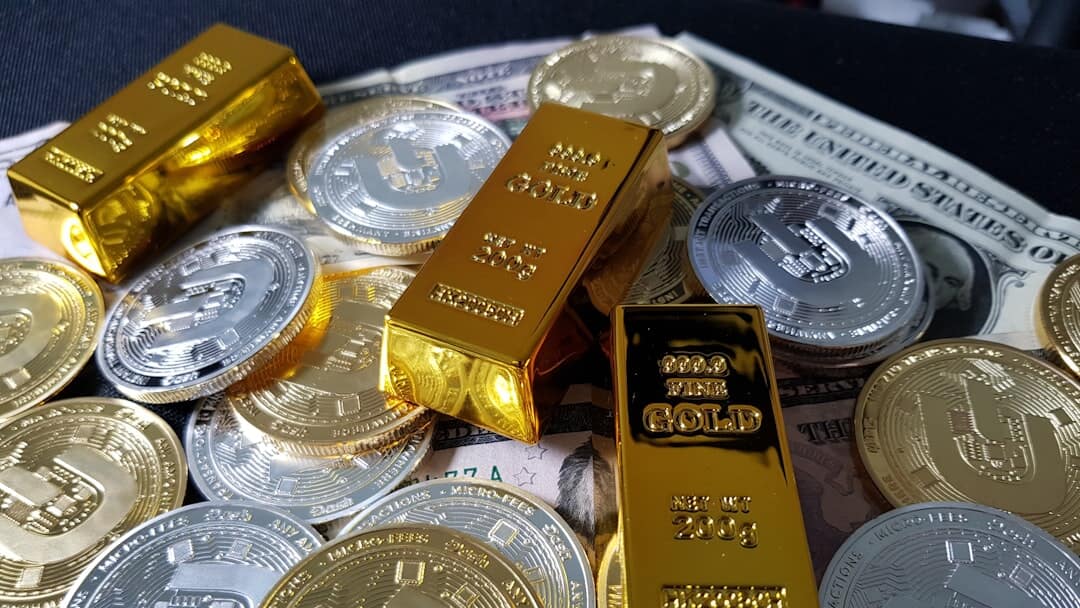
Ever wonder if that gold piece you're holding is the real deal or just a shiny impostor? You are not alone. Plenty of people find themselves asking this same question when they inherit jewelry, score a great deal at a flea market, or just want to verify what they already own.
Knowing how to tell if gold is real can save you from disappointment and protect your wallet. Gold has been valued for thousands of years, but not everything that glitters is actually gold.
The good news is you do not need to be a professional jeweler to get some answers. There are several simple tests you can do right at home to figure out if your gold is genuine or fake.
Why It Matters to Know If Your Gold Is Real

Gold is not cheap. When you are spending your hard earned money on jewelry or investing in gold items, you want to know what you are getting is worth it.
Fake gold can look convincing at first glance. Some pieces are gold plated, meaning they have a thin layer of real gold over a cheaper metal. Others are completely fake, made from base metals like brass or other alloys that just look like gold.
Understanding the difference helps you make smarter buying decisions. It also means you will not accidentally sell real gold for less than it is worth or hold onto fake pieces thinking they are valuable. With the gold price constantly fluctuating, knowing the true value of your items is a good idea for financial security.
Look for Hallmarks and Stamps First
The easiest starting point is checking for hallmarks. These are tiny stamps on gold jewelry that indicate purity. You will typically find a gold mark on clasps, inside ring bands, or on the back of earrings.
Common hallmarks include 10K, 14K, 18K, or 24K in the United States. European marks use numbers like 417 for 10K, 585 for 14K, and 750 for 18K gold. These numbers represent the percentage of pure gold in the piece.
You may need a magnifying glass to see them clearly. Counterfeiters often try to mimic these stamps, but they often get the font or sizing wrong. Real gold items will have clean, precise stamps.
But here is the catch. Fake gold can have stamps too. Some counterfeiters add hallmarks to make their pieces look legitimate. So while hallmarks are a good first step, they are not foolproof proof of authenticity.
If you see GP, GEP, or HGE on the stamp, that stands for gold plated, gold electroplated, or heavy gold electroplate. These items have a gold coating but are not solid gold through and through.
Try the Magnet Test
This test is super simple and requires just a strong magnet. Real gold is not magnetic at all. This means a genuine gold item will not react to a magnetic field.
Hold your strong magnet close to your gold item. If it sticks or gets pulled toward the magnet, you have a problem. That means the piece contains magnetic metals like iron or nickel, which real gold does not have.
Gold magnetic properties are non-existent. Keep in mind that some genuine gold jewelry might have magnetic clasps or other small components due to springs inside the mechanism. But the gold parts themselves should not be magnetic.
If the chain, pendant, or band sticks to the magnet, it is likely fake or heavily plated. This test is one of the easiest ways to filter out base metals disguised as precious metals.
This test will not catch every fake though. Some counterfeit gold uses non magnetic metals that can still fool you. But it is a quick way to rule out obvious fakes before moving on to other tests mentioned.
The Water Test Shows Density
Gold is one of the densest metals out there. That density means real gold sinks fast and heavy when you drop it in water. This is sometimes called the float test.
Fill a glass or bowl with water. Gently place your gold item into the water and watch what happens. Real gold will sink straight to the bottom without hesitation.
Fake gold or gold plated items might float, hover in the middle, or sink more slowly. This happens because the metals used in fakes are less dense than pure gold. A gold piece made of resin or light plastic with gold paint will float.
This method works best for solid pieces of gold jewelry. Items with gemstones or hollow sections might not give you accurate results because air pockets can affect how they sink. However, for gold bars or solid rings, it is very effective.
Use Vinegar to Check for Reactions

White vinegar can reveal fake gold pretty quickly. Real gold doesn't react with vinegar at all, but fake gold will change color. This is a basic acid test you can do with kitchen supplies.
Put your gold item in a small bowl or on a flat surface. Use an eyedropper to place a few drops of white vinegar directly on the gold. Let it sit for about 15 minutes.
Check what happened after the time is up. If your gold turned green, black, or showed any color change, it is not real gold. Genuine gold will look exactly the same as it did before the vinegar test.
This test works because vinegar is a mild acid. Metals like copper or brass that are often used in fake gold jewelry will react with the acid and oxidize, causing the color change. Real gold does not corrode or tarnish easily.
The Nitric Acid Test for Accuracy
If you want a more professional approach, you can perform a nitric acid test. This is one of the DIY methods that jewelers use for gold testing. You can buy a testing kit online that includes bottles of nitric acid at different strengths.
To test gold with nitric acid, you usually make a small scratch on a testing stone with the gold item. Then you apply a drop of acid to the mark. If the mark stays bright, the gold is real and matches the karat of the acid used.
If the mark disappears or turns green, it is likely fake or a lower purity than the acid strength. Nitric acid is a strong chemical, so handle it with care. It helps to wear gloves and eye protection.
Real gold doesn't react to nitric acid unless the acid strength is higher than the karat of the gold. This is a reliable way to differentiate between gold plate and solid gold.
The Scratch Test on Ceramic
This one requires an unglazed ceramic plate or tile. You are going to scratch your gold piece across it and see what color streak it leaves behind. This is often referred to as the ceramic test.
Find a piece of unglazed ceramic. The bottom of a ceramic plate or a white tile from a hardware store works great. Gently drag your gold item across the unglazed ceramic plate with light to moderate pressure.
Look at the streak left behind. If it is a gold colored streak, you have real gold. If the streak is black or dark colored, your piece is fake or plated.
Be careful with this test if you care about keeping your jewelry in perfect condition. The scratch is usually small, but it does mark the piece slightly. You might want to test in a spot that will not be visible when you wear it.
How to Tell If Gold Is Real Using the Flame Test
Fire can reveal the truth about gold, but you need to be careful with this method. Real gold doesn't burn or melt easily because it has a very high melting point.
This is also known as the lighter test. Hold your gold piece with tweezers or pliers. Apply a lighter flame to it for about 30 to 60 seconds. A gold lighter or standard disposable lighter works fine for this.
Watch what happens carefully. Real gold might get brighter or slightly change shade as it heats up, but it will not melt, turn black, or get damaged.
Fake gold or gold plated items will often darken, show smoke, or the plating will start to come off. If it is just brass, the brass change color reaction will occur, turning dark.
This test comes with risks. If your item is fake or plated, you might permanently damage it. And even some real gold pieces with solder points or other metals mixed in might not pass this test perfectly. Use this method as a last resort.
Calculate Density for Accuracy

If you want to get scientific about it, calculating density gives you one of the most accurate home tests. Pure gold has a density of about 19.3 grams per cubic centimeter.
You will need a precise scale that measures in grams and a container of water. First, weigh your gold item and write down the weight in grams.
Fill a container with water and note the water level. Drop your gold piece in and see how much the water level rises. The difference tells you the volume of your gold in milliliters, which equals cubic centimeters.
Divide the weight by the volume to get density. If your result is close to 19.3, you have pure gold. Lower karat gold will have slightly lower density because of other metals mixed in.
14K gold usually comes in around 12 to 14 grams per cubic centimeter. This test requires accuracy in your measurements. Small errors in weighing or measuring water displacement can throw off your results, so be as precise as possible.
| Metal Type | Density (g/cc) | Magnetic? |
|---|---|---|
| Pure Gold (24K) | 19.3 | No |
| 18K Gold | 15.2 - 15.9 | No |
| 14K Gold | 12.9 - 14.6 | No |
| Lead | 11.3 | No |
| Brass | 8.4 - 8.7 | No |
| Steel/Iron | 7.8 | Yes |
When to Visit a Professional Jeweler
Home tests give you good clues, but they are not always 100 percent reliable. If you need to know for sure, take your gold to a professional jeweler.
Jewelers have specialized equipment like acid testing kits and XRF analyzers that can determine gold content with high accuracy. An acid test involves applying different strength acids to see how the gold reacts, which tells the jeweler the karat.
XRF analysis is even more advanced. It uses X rays to measure the exact composition of your gold without damaging it at all. This method can tell you the precise percentages of gold and any other metals in your piece.
Professional appraisals also give you documentation of your gold's authenticity and value. This matters if you are planning to sell gold or need insurance coverage for valuable pieces. It removes the guesswork involved in buying gold or selling it.
Understanding Gold Purity Levels
Not all real gold is created equal. The karat gold system tells you how pure your gold is.
24 karat gold is pure gold, 99.9 percent gold content. It is soft and bright yellow. Most jewelry is not made from 24K gold because it is too soft for everyday wear.
18K gold is 75 percent gold mixed with 25 percent other metals. It is durable enough for jewelry and still has a rich gold color. 14K gold is 58.3 percent gold, making it even more durable and affordable.
10K gold is the minimum that can legally be called gold in the United States. It is 41.7 percent gold, which makes it very durable but less valuable than higher karat gold.
The other metals mixed into gold alloys affect color too. White gold has nickel or palladium added. Rose gold gets its pinkish hue from copper. These are all still real gold, just with different alloy mixes. Sometimes gold silver mixes are used to create green gold.
Common Gold Fakes and What to Watch For
Knowing what fakes look like helps you spot them faster. Gold plated items are the most common imposters you will run into.
Gold plating puts a thin layer of real gold over base metal. The piece might pass some tests at first because there is real gold on the surface. But over time, the plating wears off and reveals the cheaper metal underneath.
Gold filled items have a thicker layer of gold than plated pieces. They are marked as GF and last longer, but they are still not solid gold all the way through. You often see this with earrings earrings, or simple chains.
Brass is often used to fake gold because it has a similar yellow color. It is much lighter than gold though and will fail the density test quickly. If you test brass with vinegar, the brass change will happen fast.
Some fakes use tungsten in their core because tungsten has similar density to gold. These are harder to spot without professional testing because they will pass the water test. Fake rings might also hold stones like cubic zirconia instead of real diamonds, which is another clue the metal might be fake.
Protecting Yourself When Buying Gold
The best way to avoid fake gold is being smart about where and how you buy. Stick with reputable jewelers who have been in business for years and have good reviews.
When you are buying gold online, take time to check the website. A legitimate business will usually have a clear privacy policy and terms available for you to read. They should explain how they handle your personally identifiable data.
Check for a cookie consent banner when you land on their site. This shows they are compliant with regulations regarding basic functionalities and usage statistics. It is a sign of a professional operation.
Before you create account or decide to continue shopping, look for their policy privacy policy terms. Legitimate sites are transparent about their policy terms and customer care. If a site hides its contact info or policy privacy details, that is a red flag.
Ask for certificates of authenticity when buying expensive gold pieces. Legitimate sellers should provide documentation about purity gold levels and weight. This is essential for insurance.
Be suspicious of deals that seem too good to be true. If someone is selling 18K gold jewelry for 10K gold prices, something is probably wrong. Real gold has market value and will not be sold for pennies.
Learn about precious metals before making big purchases. Understanding karat systems, alloys, and typical prices helps you spot red flags. If you see gold gold descriptions that make no sense, walk away.
When shopping online, check return policies carefully. Make sure you can return items if they turn out to be fake or not as described. Read reviews from other buyers about gold authenticity.
Also, check how the website cookies store your preferences. While this seems technical, a secure site protects your identifiable data. Do not input credit card info on a site that feels unsecured.
Why Some Tests Work Better Than Others
Each test has strengths and weaknesses. The magnet test is quick but will not catch non magnetic fakes. It is an easy test but limited.
The water test is reliable for density but does not work well on hollow jewelry. Vinegar is safe and easy but only shows surface level reactions. It won't hurt real gold won't get damaged.
The scratch test gives good results but might damage your piece. The flame test is risky and can destroy fake items completely. Gold won't burn, but fakes will.
Density calculations are accurate but require precision and patience. Professional testing beats all home methods for accuracy, especially when you need documentation or are dealing with expensive pieces.
Your best bet is using multiple tests together. If your gold passes the magnet test, the water test, and the vinegar test, you can feel pretty confident it is real. Comparing rings, rings that feel too light are usually the first giveaways.
Taking Care of Your Real Gold
Once you have confirmed your gold is real, you will want to keep it in good condition. Real gold doesn't tarnish like other metals, but it can still get dirty or scratched.
Clean your gold jewelry regularly with warm water and mild dish soap. Use a soft toothbrush to gently scrub away dirt and oils. Rinse thoroughly and dry with a soft cloth.
Store gold pieces separately to prevent scratching. Soft pouches or lined jewelry boxes work great. Keep gold away from harsh chemicals like chlorine and cleaning products.
Remove gold jewelry before swimming, showering, or doing activities that might damage it. Even though gold is durable, lower karat gold with more alloy metals can still get damaged over time.
Inspect your jewelry often. Check the prongs on engagement engagement rings to make sure stones are secure. Look for wear on clasps and links.
Taking care of your items ensures they last a lifetime. Whether it is a gold piece you bought or inherited, proper maintenance maintains its luster and value. Gold silver alloys may tarnish slightly faster, so they might need more frequent polishing.
What to Do If You Find Out Your Gold Is Fake
Discovering your gold is not real can be disappointing. But knowing the truth is better than believing something false.
If you bought the item recently, contact the seller. Legitimate businesses should offer refunds or exchanges if they sold you fake gold as real. Keep your receipts and any documentation about the purchase.
For inherited pieces, you might be surprised to learn they are not gold. But they still might have sentimental value even if they are not worth much money. You can decide whether to keep them for memories or move on.
If you were planning to pawn or sell jewelry, knowing it is fake saves you from embarrassment. Pawn shops and jewelers can spot fakes quickly, so it is better to know beforehand.
Conclusion
Learning how to tell if gold is real puts you in control. You can verify what you own, make smarter purchases, and avoid getting scammed with fake pieces.
Start with simple tests like checking hallmarks and using a magnet. Move on to the water test or vinegar test if you need more confirmation. For valuable pieces or when you need absolute certainty about how to tell if gold is real, visit a professional jeweler for testing.
Real gold holds its value and can be enjoyed for generations. Taking the time to verify authenticity means you will know exactly what you have and what it is worth.