

Exploring the Rich History of Pawn Shops Through Ages
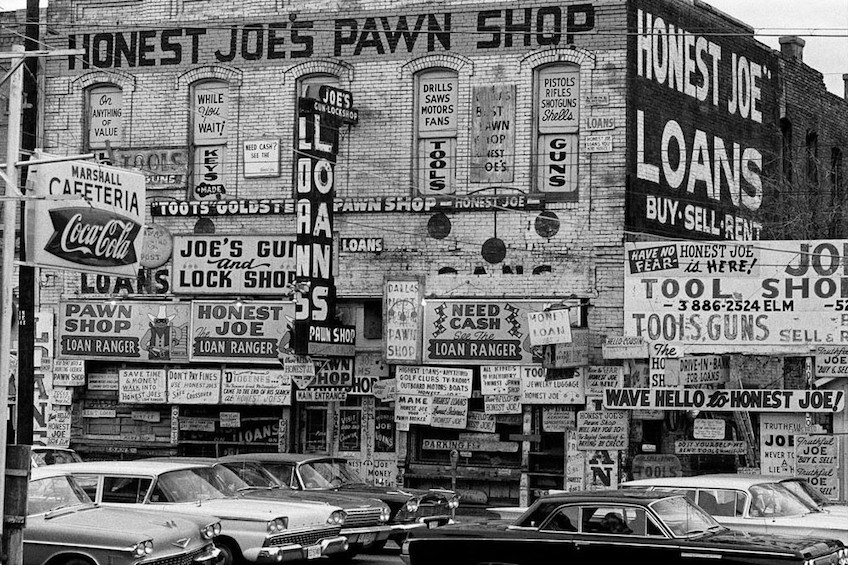
Think pawn shops are a modern invention born out of desperation and last-minute cash needs? Think again. The history of pawn shops stretches back thousands of years, weaving through ancient civilizations and shaping economies across the globe.
These businesses have served as financial lifelines for communities long before banks became the norm. What started in ancient China has evolved into a multi-billion dollar industry. Today's pawn shops offer services that would surprise their ancient predecessors.
However, the core mission remains the same. They focus on providing quick access to cash when people need it most. Let's explore how pawning went from monastery-run operations to the thriving businesses you see on street corners today.
You will discover the surprising origins of that iconic three-ball symbol. You will also learn why the history of pawn matters more than you might think. This journey reveals a fascinating evolution of finance.
Ancient China Birthed the Pawn Industry
More than 3,000 years ago, Buddhist monasteries in ancient China started something revolutionary. They offered loans to peasants who needed quick cash. The catch was that you had to leave something valuable behind as collateral.
These early pawnbrokers were called "Lao Shang" or brokers. They accepted jewelry, art, and other precious items as security for loans. The monasteries saw this as a way to help their communities survive tough times.
The system worked brilliantly for both parties. Peasants got the money they needed without selling their treasured possessions. Monasteries generated income while providing a valuable service.
This created a beneficial situation that would echo through millennia. Chinese emperors even got involved. They began creating state-run funds for lending against pledges.
The practice became so widespread that it shaped how commerce worked throughout ancient Asia. China pawnbroking set the template for what would become a global industry. It established the concept of short-term credit using tangible assets.
Regulations were eventually put in place to manage these transactions. The authorities understood the importance of granting temporary aid to those in need. This model of secured lending traveled along the Silk Road.
Greece and Rome Made Pawning Official
The ancient Greeks and Romans took pawning to the next level. They formalized the practice with actual laws and regulations. Most contemporary pawnbroking law still draws from these Roman legal foundations.
Wealthy merchants used pawnbrokers to raise capital for their ventures. This was not just for the poor anymore. Even emperors established official lending institutions where citizens could borrow against their valuables.
Rome pawnbroking became a critical part of the economy. Roman law protected both borrowers and lenders in ways that seem remarkably modern. Interest rates were regulated to prevent exploitation.
Documentation requirements helped prevent fraud and disputes. The practice spread throughout the Roman Empire as soldiers and traders carried it to new territories. By the time Rome fell, pawning had become embedded in European commerce.
It is interesting to note the linguistic roots of the industry. Some linguists believe the word "pawn" stems from the Latin word "patinum" meaning cloth. This connection makes sense historically.
During this era, clothing was one of the most valuable items a common person owned. Poor people frequently used pawning clothes as a way to secure a loan. The word "patinum" meaning cloth eventually evolved into the term we use today.
The Latin word "patinum" highlights how essential these items were to the working class. Valuables did not always mean gold or jewels. Often, it meant the shirt off one's back.
Medieval Europe and the Three Golden Balls
Italian merchants called Lombards brought sophisticated pawn banking to England during the Middle Ages. These skilled financiers operated from a region in northern Italy. They quickly became the go-to lenders for everyone from peasants to nobility.
The iconic symbol of three golden balls hanging from a bar comes from this era. Some historians trace it back to the Medici family crest. This was one of the most prominent families in Europe.
Others connect it to the legend of St. Nicholas. The story says he left three bags of gold for poor daughters so they could marry. Whatever the true origin, those gold balls became universally recognized.
You could spot a pawnbroker's shop from down the street. The symbol meant one thing: quick cash available inside. The Lombard bankers operated with such professionalism that they changed public perception.
Pawning was not just for the desperate. It became a legitimate financial service used by all social classes. Even money-lending families utilized these systems to move capital.
Royalty often utilized these services to fund their ambitions. For instance, history tells us that England's King Edward III famously pawned his jewels. He did this to finance war against France.
In 1338, King Edward III famously used his royal assets to secure the necessary funds for his military campaigns. This act demonstrates how high-level finance relied on secured lending. Edward III famously pawned items that were symbols of his very monarchy.
Another legend suggests that Queen Isabella of Spain famously pawned her royal jewels. She supposedly did this to finance Christopher Columbus' voyage to the New World. While some debate the accuracy, the story highlights the importance of asset-based lending.
Securing funding to finance Christopher Columbus and his expedition was a massive risk. Using jewels to fund ships was a logical step for monarchs short on liquid cash. This enabled the financing business endeavors that changed the map of the world.
The Catholic Church Steps In
The Catholic Church recognized that people needed legitimate places to borrow money. Too many predatory lenders were taking advantage of the poor. Something had to change.
In 1515, Pope Leo X officially approved pawnbroking as a profession. This was huge because it gave the industry religious legitimacy. The Church established "montes pietatis" or charitable pawnshops throughout Europe.
These church-run operations initially offered interest-free loans. But they quickly discovered this was not sustainable. Eventually, they started charging small fees just to keep the doors open.
The Order of Friars Minor took the lead in establishing these charitable lending institutions. They wanted to help indigent debtors escape the cycle of crushing interest rates. Their work made pawning more accessible.
These institutions focused on granting temporary aid to the struggling working class. They offered low-interest loans as a form of social welfare. This helped protect vulnerable people from loan sharks.
Victorian England's Pawnbroking Boom
By the 18th century, something remarkable happened in England. More people had dealings with pawnbrokers than with any other type of lending institution. That is right, pawnbrokers dominated the financial landscape.
The Victorian era saw a rapid expansion of pawn shops. Working-class families relied on them for survival. You would pawn your winter coat in summer and buy it back when cold weather returned.
This highlights the connection to the word "patinum" meaning cloth once again. Fabric and clothing remained a primary form of currency for the poor. Monday mornings saw lines of people pawning items to make it through the week.
Friday afternoons brought them back to reclaim their goods after getting paid. This weekly cycle became a way of life for millions. Small shops appeared on nearly every corner in industrial cities.
Public pawnshops dominated Europe during this period. They operated almost like public utilities. England established regulations to ensure fair practices were followed.
The government regulated them heavily to protect consumers. England established strict rules on interest rates and redemption periods. These regulations protecting consumers helped legitimize the industry further.
As pawnbroking thrived, it became the primary source of consumer credit. It allowed people to leverage their household goods for business endeavors or daily needs. It was the engine of the micro-economy.
Pawn Shops Cross the Atlantic
American pawnbroking took a different path than its European counterpart. Private shops thrived here rather than government-run operations. This reflected America's entrepreneurial spirit and preference for private enterprise.
Trading posts in the American West served Native Americans and pioneers alike. These remote outposts became essential community hubs. You could exchange handicrafts, tools, and supplies for whatever you needed.
For Native Americans transitioning from nomadic lifestyles, these trading posts provided crucial economic bridges. They could trade traditional goods for modern supplies. The system helped entire communities adapt to changing times.
Pioneers heading west used pawn shops to convert valuables into supplies. Gold miners pawned their finds for equipment. Settlers pawned family heirlooms to buy farmland.
The industry played a vital role in financing business growth in the New World. It provided the capital needed for granting temporary relief during harsh winters. It was an essential part of the frontier economy.
Modern American Pawn Industry
Today's American pawn shops offer services their predecessors could not imagine. You can pawn everything from smartphones to power tools. The industry has adapted to changing technology and consumer needs.
The global pawn shop market continues growing at a steady pace. Millions of people rely on these businesses for short-term financial solutions. They provide an alternative to predatory payday loans and credit cards.
Modern pawn shops offer transparent pricing and clear terms. State regulations protect consumers from unfair practices. You know exactly what you are getting into before you sign anything.
An NPA pawnbroker operates under a strict code of ethics. The National Pawnbrokers Association works to maintain high standards across the industry. They emphasize fair treatment and compliance with the law.
Shops today have a strict privacy policy to protect their customers. They also work closely with law enforcement to identify stolen items. This cooperation helps keep the marketplace safe and legitimate.
The core service remains unchanged though. Bring in something valuable, get cash immediately, and reclaim your item when you repay the loan. It is a simple concept that has worked for millennia.
Pawn today is about speed and convenience. It is about bridging the gap between paychecks. It is a vital financial tool for millions of Americans.
Why the History of Pawn Shops Matters Today
Understanding where pawn shops came from helps us appreciate what they offer now. These are not shady operations preying on the desperate. They are legitimate businesses with ancient roots and proven track records.
Pawn shops have survived every economic crisis, war, and social upheaval throughout history. That tells you something about their value. When times get tough, people need access to quick cash.
Banks require credit checks, extensive paperwork, and weeks of waiting. Pawn shops offer same-day service with no credit check required. Your item's value determines your loan, not your credit score.
The industry has evolved to meet modern needs while maintaining its historical mission. That mission is providing financial access to everyone. It serves people regardless of their circumstances.
From helping King Edward III famously fund his army to helping a modern family pay a utility bill, the function is the same. It is about unlocking the value of assets. It is about solving immediate problems.
The Symbol That Endures
Those three golden balls still hang outside pawn shops worldwide. The symbol transcends language barriers and cultural differences. Everyone knows what it means.
Whether it came from the Medici family or St. Nicholas does not really matter now. What matters is that it represents hope and opportunity. It means there is a place where you can get help when you need it.
The symbol connects modern pawn shops to their ancient predecessors. It is a reminder that this industry has served humanity for thousands of years. That kind of longevity does not happen by accident.
It links the Latin word "patinum" to the digital storefronts of today. It connects the peasant in ancient China to the college student in New York. It is a universal sign of financial option.
Conclusion
The history of pawn shops reveals an industry built on helping people through difficult times. From ancient Chinese monasteries to Victorian England to modern America, pawnbroking has adapted while staying true to its core mission. These businesses provide quick access to cash when traditional lenders say no.
Understanding this rich heritage changes how we view pawn shops today. They are not a last resort but a legitimate financial service with millennia of proven success. The stories of kings, queens, and commoners all intertwine in this history.
The next time you see those three golden balls, you will know you are looking at a symbol that connects us to thousands of years of human commerce. It represents community support and economic resilience. It is a history worth knowing.